Wednesday, 17 September 2014

26. Sivayogam, andhi sandhi

Verse 26
பாரப்பா இன்னமொரு மகிமை சொல்வேன்
பாலகனே வாவென்று மலிஎன்றோதி
ஆரப்பா முன் தீட்சை மார்க்கம் போலே
அடி தொடுத்து நுனிவரைக்கா ராய்ந்து பார்த்துச்
சேரப்பா சிவயோகம் இதுவாமென்றுந்
தீர்க்கமுடன் அந்திசந்தி தெளிந்துபார்த்துக்
கோரப்பா பராபரனை வாவாவென்று
குவிந்த நிலைதனைப் பார்த்துக் கூடுவாயே

Translation:
See son, I will tell you about one more glory
Child, come, saying so,
Be soothed, like the previous way of initiation
Examine from the lower to the upper tip
Join it as “this is Sivayogam”
With firmness, seeing clearly the terminus and the junction,
Request the Paraparan to come
Seeing the focused state join it.

Commentary:
Subramanyar is telling Agatthiyar about the Sivayogam.  He says that like the previous diksha or initiations where while uttering specific mantras the mind’s eye is focused at the top and bottom terminiit should be performed now too.  Andhi and sandhi means terminus and the junction. The chakra are called the termini for different principles or tattva.  When the yogin raises his consciousness through the cakra he brings specific tattva under control.  Sandhi or junction are where one tattva ends and the next begins.  The body is also divided into three realms, that of fire, sun and the moon.  These realms are separated by specific knots.  These are the junctions.  The vishuddhi cakra is called the junction between the animalistic tendencies and humanistic qualities.  This is again a junction between two realms.  The sahasrara is the junction between the limitedness as a body and the state of unlimited all pervasive consciousness.  Thus, the sahasrara is also a sandhi.  The point where the prana and apana meet is a sandhi, the point where the inhalation and exhalation meet, the kumbaka, is also a sandhi.
Subramanayar is hence telling Agatthiyar to pay attention to these termini and the junctions and merge with the Paraparan beseeching to come.
இப்பாடலில் சுப்பிரமணியர் அகத்தியருக்கு சிவயோகத்தை விளக்குகிறார்.  முன்னே பல தீட்சைப் படிகளைப் போல கவனத்தை மேல் மற்றும் கீழ் எல்லைகளில், சக்கரங்களில் வைத்து மந்திரத்தை உச்சரிக்கவேண்டும் என்கிறார். 

அந்தி சந்தி என்பவை முடிவு மற்றும் இடைப்பட்ட நிலைகளைக் குறிக்கும்.  பொதுவாக சந்தியாகாலம் என்று நாம் அழைப்பது பகலும் இரவும் சேரும் நேரத்தைத்தான்.  இங்கே சந்தி என்பது பல தத்துவங்கள் சேரும் இடத்தைக் குறிக்கும்.  நம் உடலில் உள்ள சக்கரங்கள் பல தத்துவங்களின் எல்லையைக் குறிக்கும்.  ஒரு யோகி தனது விழிப்புணர்வை இந்த சக்கரங்களின் ஊடே மேலே ஏற்றும்போது இந்த தத்துவங்களை வெற்றி கொள்கிறார், அவற்றைத் தனது கட்டுக்குள் கொண்டுவருகிறார்.  இவ்வாறு சக்கரங்கள் சந்திகளாகவும் அந்திகளாகவும் இருக்கின்றன. மனித உடலை மூன்று மண்டலங்களாகப் பிரிப்பது வழக்கம்.  அவை அக்னி மண்டலம், சூரிய மண்டலம் மற்றும் சந்திர மண்டலம் என்பவை.  இந்த மண்டலங்கள் கிரந்தி அல்லது முடிச்சுகளால் பிரிக்கப்பட்டுள்ளன.  இந்த முடிச்சுக்களும் அந்தி சந்திகளாக இருக்கின்றன.  விசுத்தி சக்கரம் நமது மிருக உணர்வும் மனித நிலையும் சநதிக்கும் இடமாகவும் இருக்கின்றது.  சஹஸ்ராரம், அளவுக்குட்பட்ட  தன்மைக்கும் அளவற்ற பரவுணர்வு நிலைக்கும் இடைப்பட்ட அந்தி சந்தியாக இருக்கிறது.  உடலில் உள்ள பிராணனும் அபானனும் சந்திக்கும் இடம் சந்தியாகும்.  அதேபோல் பூரகமும் ரேசகமும் கும்பகத்தில் சந்திக்கின்றன.  கும்பகம் இவ்வாறு சந்தியாகிறது.   இவ்வாறு பல்வேறு தத்துவங்களையும் நிலைகளையும் உணர்ந்து பராபரனை வாவா என்று அழைத்து அவனுடன் சேருமாறு சுப்பிரமணியர் அகத்தியருக்குக் கூறுகிறார்.  பராபரன் என்பது இறைவனின் உருவ அருவ நிலையை, அவன் சோதி வடிவில் இருக்கும் நிலையைக் குறிக்கிறது.  

Tuesday, 16 September 2014

25. om shreem, circle of bindu

VairavEl

Gautamapuram, Halasuru, Bangalore, Karnataka

verse 25
நில்லடா ஓமென்றும் ஸ்ரீயுமென்றும்
நிறுத்தடா பூரணத்தின் நிலையைப் பார்த்து
அல்லடா வதினுடைய மகிமை சொல்ல
அரனாலு முடியாது மற்றோர்க்கேது
சொல்லடா வாய்ப்பேச்சு முனக்குமேது
சொல்லாதே யிம்மூலந் திறவு கோலாம்
வில்லடா கீழ் மேலா ராய்ந்து பாரு
விந்துவட்டம் பளீரெனவே வீசும் பாரே

Translation:
Remain as Om and Sreem
Stop, seeing the status of the fully complete
It is impossible to utter its glory
It is not possible even for Hara, how is it possible for others?
Say son, why do you need any conversation, words about it
Do not say it, this is the key to open the mulam
See the top and bottom, this bow,
The circle of bindhu will shine effulgently.

Commentary:
A bheeja mantra is a seed mantra that confers special benefits.  It is tantric way of worship and hence needs guru upadesa. Om is the pranava from which all other mantras emerged.
Kleem is the kama bheeja, a seed sound that fulfills all desires.  Ka- kama deva, la-indra, ee-contentment and im-chandra bindu and thus the nada and bindu.
Now, some of the other bheeja mantras:
Aim- is the mantra for Saraswati, the goddess of knowledge.
Thus, the aim kleem in the previous verse means, the desire to attain jnana.
The mantra mentioned in this verse are om and shreem. Shreem is the mantra for Mahalakshmi or goddess of wealth, the wealth here is the knowledge or realization.
Subramanayar says that it is impossible to describe the glory of the Divine, the poorna and hence there is no point in talking about it.  This process, described in the above and this verse is the key that opens the muladhara thus facilitating the ascent of kundalini.  When one chants these mantra and pays attention to the muladhara and sahasrara the circle of bindu will glow.  The muladhara is represented as the circle and so is the sahasrara. The bindu in the muladhara represents manifestation of the world and the circle in sahasrara represents complete dissolution of the manifested world and emergence of supreme consciousness. 

முந்தைய பாடலிலும் இதிலும் சுப்பிரமணியர் சில பீஜ மந்திரங்களைக் கூறுகிறார்.  பீஜ மந்திரங்களை உச்சரித்து வழிபடுவது தந்திர வழிபாடு, அதற்கு குருவின் உபதேசம் தேவை.  ஓம் என்பது பிரணவம், அதிலிருந்துதான் பிற மந்திரங்கள் தோன்றுகின்றன.  க்லீம் என்பது காம பீஜம், எல்லா விருப்பங்களையும் தீர்த்துவைப்பது.  இங்கு இருக்கும் விருப்பம் ஞானத்தைப் பெறுவது.  ஐம் என்பது சரஸ்வதி அல்லது ஞானதேவதையின் மந்திரம்.  இவ்வாறு முந்தைய பாடலில் கூறிய ஐம் க்லீம் என்பது ஞானம் பெறவேண்டும் என்ற விருப்பத்தை வெளிப்படுத்துவது.  இப்பாடலில் சுப்பிரமணியர் ஓம், ஸ்ரீம் என்ற இரு மந்திரங்களைக் கூறுகிறார்.  ஸ்ரீம் என்பது மகாலட்சுமியின் மந்திரம்.  எல்லா வளங்களையும் கொடுப்பது.  இங்கு விரும்பும் வளம் ஞானம். 

இந்த மந்திரங்களின் பெருமையா விலக்குவது என்பது அரனாலும் முடியாது அதனால் நாம் பேச்சில் நேரத்தை வீணாக்கவேண்டாம் என்கிறார் சுப்பிரமணியர்.  இந்த மந்திரங்களை உச்சரித்து அகத்தியர் தனது கவனத்தை மேலும் கீழும் உள்ள விந்து வட்டத்தில் வைக்கவேண்டும் என்கிறார் சுப்பிரமணியர்.  மூலாதாரமும் சஹாஸ்ராரமும் வட்டங்களாகக் குறிக்கப்படுகின்றன.  மூலாதாரத்தில் இருக்கும் பிந்து உலகம் தோன்றுவதற்கு முற்பட்ட நிலை.  சஹாஸ்ராரத்தில் உள்ள பிந்து வட்டம் உலக உணர்வு முடிந்து பரவுணர்வு தோன்றும் இடம்.  இந்த இரு இடங்களும் இந்த சாதனையை மேற்கொள்ளும்போது பளீரென ஒளிவிடும் என்கிறார் சுப்பிரமணியர்.   

24. Ashtangam, sakti mantra and gurupaadam

Verse 24
நானாகி நீயாகி ஏகமாகி
நல்வினையும் தீவினையும் கடந்து மைந்தா
தானாகி மூன்றெழுத்து வாலை விஞ்சை
தவறாதே தீட்சையிலே மறந்திடாதே
வானாகி வீணாகக் கொடுத்திடாதே
வாய்ப்பான அஷ்டாங்க தீட்சைசொல்வேன்
கோனாகி அங்கிலியுமென்றே வோதி
குருபாதந் தனையறிந்து குவிந்து நில்லே.

Translation:
Becoming me, you and as the singularity
Son, crossing the good and bad actions
The knowledge of vaalai, the three letters.
Do not miss it, do not forget it in initiation
Do not give it in a wasted fashion,
I will tell the ashtanga deeksha, the opportunity
Reciting aing, kleem- the king
Knowing the gurupaadam, remain focused.

Commentary:
Subramanayar tells Agatthiyar that everything in this world is made up of the three letters of the omkara and advises him to not miss it, forget it or share it with others flippantly.  The three letters a, u and ma represent the pati, pasu and paasam.  He also tells Agatthiyar that he will tell him about the ashtangam.  This means the ashtanga yoga.  He also advises Agatthiyar that he should recite aim, kleem, the Shakti mantra and remain focused knowing the gurupaadam. 


இவ்வுலகில் உள்ள அனைத்தும் ஓம்காரத்தின் மூன்று எழுத்துக்களால் ஆனவை.  அகாரம், உகாரம், மகாரம் என்ற மூன்று எழுத்துக்கள் பதி, பசு, பாசம் என்ற மூன்று தத்துவங்களையும் குறிக்கும்.  இந்த மூன்று எழுத்துக்கள் வாலையின் எழுத்துக்கள். இவற்றை மறக்கவேண்டாம், பிறருக்கு வெளிப்படையாகக் கொடுக்கவேண்டாம் என்று சுப்பிரமணியர் கூறுகிறார்.  சுப்பிரமணியர் அகத்தியருக்கு அஷ்டாங்கத்தைப் பற்றியும் கூறுவேன் என்கிறார்.  அஷ்டாங்கம் என்பது அஷ்டாங்க யோகத்தைக் குறிக்கும்.  அகத்தியர் இவற்றுடன் ஐம் க்லீம் என்ற மந்திரங்களை ஓதி குருபாதத்தை அறிந்து கவனக் குவிப்புடன் இருக்கவேண்டும் என்று சுப்பிரமணியர் கூறுகிறார். 

Monday, 15 September 2014

23. Why is Subramanya called the younger brother of Ganapathy?

kukke 1

Kukke Subramanya, a sarpa dosha nivrithi sthalam in Karnataka

Verse 23
சபித்திட்ட சாபமதை நிவர்த்திசெய்து
சந்திரபுஷ்காரணி எனும் சார்பிற்சென்று
கூவித்திடாத் தீபம் அனுதினமும் ஏற்றி
அங்கென்றுஞ் சிங்கென்றும் அறிந்தே போற்றிக்
குவித்திடவே உங் கென்றுங்கூடச் சேர்த்துக்
குண்டலியாம் நந்திவட்டக் குறியிற்சென்று
தவித்திடா மூன்றெழுத்துந் தன்னைக் கண்டேன்
தந்தி முகனுக்கிளைய சாமி நானே

Translation:
Performing reparations for the curse
Associating with the Chandra pushkarni
Lighting the lamp that does not go off
Praising with knowledge as ‘ang’ and ‘cing’
Focusing while adding ‘ung’ along with it
Going to the nandi circle the kundali
I saw the three letters that does not fluttering
I am the lord younger than the tusk-faced one.

Commentary:
Subramanya is usually referred to as the younger brother of Ganesha.  In this verse he is explaining how he got that name.  This verse, as the one before, describes kundalini yoga when the focus is placed at the muladhara.  In the previous verse, Subramanyar mentioned that the esoteric usage of the seed letters should be revealed openly as the lords have placed a curse on them.  Hence, he begins this verse saying that he performed the reparations for the curse and proceeded further.  Chandra pushkarni is the lalaata cakra from which the divine nectar descends.  The realm above the heart is  called the Chandra mandala.  Chandra pushkarni means the water body of the moon.  Subramanyar tells Agatthiyar that the mantra that should be uttered is ang, cing and ung.  The focus should be placed at the circle of Nandi or the kundalini. If this is practised then the three letters will become visible.  The three letters are a, u and ma of omkara.  As Subramanyar or consciousness arrived at the sahasrara after experiencing Ganesa at the muladhara, Subramanyar says that he is called the ‘ilaya saami’ to the ‘dhanti mukhan’ or the elephant-faced one.


சுப்பிரமணியரை கணபதியின் தம்பி என்று அழைப்பது வழக்கம்.  இப்பாடலில் அது ஏன் என்று சுப்பிரமணியர்  விளக்குகிறார்.  முந்தைய பாடலில் அவர் இந்த பீஜ மந்திரங்களை வெளிப்படையாகக் கூறக்கூடாது ஏனெனில் நாதாக்கள் அவற்றின் மேல் சாபம் வைத்துள்ளனர் என்று கூறினார்.  அதனால் இப்பாடலில் அவர் முதலில் தான் தகுந்த பிராயச்சித்தங்களைச் செய்துவிட்டு குண்டலினி யோகத்தை முயன்றதாகக் கூறுகிறார்.  சந்திர புஷ்கரணி என்பது லலாட சக்கரத்தைக் குறிக்கும்.  இங்கிருந்துதான் இறவாத் தன்மையை அளிக்கும் அமிர்தம் சுரக்கிறது.  உடலில், மார்புக்கு மேல் இருக்கும் பகுதி சந்திர மண்டலம் என்று அழைக்கப்படுகிறது.  இந்த தளத்தில் இருக்கும் நீர்நிலை சந்திர புஷ்கரணி.  அங், சிங், உங் என்ற மந்திரத்தை உச்சரித்து கவனத்தை நந்தி வட்டம் எனப்படும் குண்டலியில் வைத்தபோது தனக்கு மூன்றெழுத்துக்களும் புலப்பட்டன என்கிறார் சுப்பிரமணியர்.  மூன்று எழுத்துக்கள் என்பது ஓம்காரத்தின் அ,உ, ம என்பவை.  சுப்பிரமணியர் என்னும் விழிப்புணர்வு சகஸ்ராரத்தை மூலாதாரத்திலிருந்து அடைந்ததால் அவர் தந்திமுகன் அல்லது கணபதிக்கு இளையவன் என்று அழைக்கப்படுகிறார். 

Sunday, 14 September 2014

22. Do not reveal this as the Nathas have placed a curse on it!


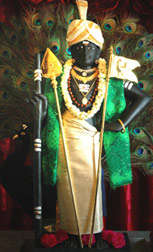
Ghati Subramanya temple, Doddabhalapur, Karnataka.

Verse 22
தாக்கவே மகாரமல்லோ மவுனமாகும்
தயங்காமல் அனுதினமும் நினைவாய்ப்போற்றி
வாக்கினால் சொல்லாதே வம்மென்றேதான்
வைத்திடுவாய் ஒருநிலையாய் வணங்கி மைந்தா
தாக்கியே யம் மென்றே உறுதியாகச்
சாற்றுமஞ் செழுத்தைத் தாரணையேசெய்து
நாக்கினால் சொல்லவுந்தான் கூடாதப்பா
நாதாக்கள் சாபமுந்தான் சபித்திட்டாரே

Translation:
If held, the makaara will become the silence
Praising it daily as the thought
Do not utter it vocally as vam
Place it as the state, saluting it,
Placing it forcefully as yam
Performing dhaarana on the five letters
It should not be revealed openly, Son
The Lords have placed a curse on it.

Commentary:
Subramanyar tells Agatthiyar that this is a very esoteric message that should not be revealed explicitly as the Lords have placed a curse on it.  So, let us all pray to Murugan to pardon us in case we are overstepping our limits and seek his blessings to continue further.
The letters mentioned in this verse, ma, ya and va represent different elements.  Among the five letters of namacivaya the letter na corresponds to the earth element, ma to the water element, si to the fire element, va to the air element and ya to the space element.  The ma also corresponds to the im in the pranava, the unuttered letter.  This is the letter of the supreme silence.  Vam or vang is referred to by Agatthiyar in his saumya sagaram as the vakaara deekshai, or the method to bring the five elements under control.  Ya corresponds to the space element, in both the microcosm (the body) and macrocosm (universe).  This is the esoteric practice of kundalini yoga where the various elements are brought to laya or dissolution resulting in the state of atma darsana which further leads to the state of supreme consciousness.

இப்பாடலில் பல பீஜ மந்திரப் பிரயோகங்களைக் கூறும் சுப்பிரமணியர் அதை வாயால் வெளியிடவேண்டாம் ஏனெனில் நாதாக்கள் சாபமிட்டுள்ளனர் என்று அகத்தியரிடம் கூறுகிறார்.  அதனால் நாம் அனைவரும் இப்போது நமது எல்லையைக் கடந்திருந்தால் மன்னிக்கும்படி சுப்பிரமணியரிடம் வேண்டிவிட்டு இனி இதைத் தொடருவதற்கு அவரது அருளாசியை வேண்டுவோமாக.

இப்பாடலில் சுப்பிரமணியர் மகாரம் என்பது மௌனம் என்றும் வாயால் வம் என்று சொல்லக்கூடாது அதை நினைவில் கொள்ளவேண்டும், உறுதியாக யம் என்று மனதில் நிறுத்தவேண்டும் என்றும் கூறுகிறார்.  அதன் பிறகு ஐந்தெழுத்தான நமசிவாய என்பதை தாரணை செய்யவேண்டும் என்கிறார்.  தாரணை என்பது ஒன்றை இடைவிடாமல் நிலைவில் கொள்வது.  நமசிவாய என்னும் பஞ்சாட்சரத்தில் உள்ள எழுத்துக்கள் பல்வேறு தத்துவங்களைக் குறிக்கும்.  பஞ்ச பூதங்களில் ந என்பது பூமி தத்துவத்தையும், ம என்பது நீர்த்தத்துவத்தையும் சி என்பது தீ தத்துவத்தையும் வ என்பது காற்று தத்துவத்தையும் ய என்பது ஆகாய தத்துவத்தையும் குறிக்கும்.  மேலும் பிரணவத்தில் ம் என்பது ஊமை எழுத்து, பேசாத எழுத்து என்பதையும் பார்த்தோம்.  இந்தப் பாடல்,  பஞ்ச பூதங்களை  லயம் அல்லது ஒன்றுள் ஒன்றை ஒடுங்கச் செய்வதைக் கூறுகிறது.  இதனை அடுத்த நிலை ஆத்ம தரிசன நிலை.  அது பரவுணர்வு நிலைக்கு அழைத்துச் செல்லும்.  

Saturday, 13 September 2014

21. Subramanyar talks about the bheejakshara

Sri Kaumara Chellam 
Murugan Temple Ulsoor, Bangalore


Verse 21
மறந்திடா திருந்திடவே எழுத்தைச் சொல்வேன்
மனமல்லோ மனோன்மணியம் மணியைப் போற்றி
இறந்திடாது இருந்திட ரீங்காரந்தன்னை
ஈஸ்வரியாள் பீடமென்று நிலையில் சாற்றப்
பரந்திடாக் குருவிகளும் பொசுங்கிப் போகும்
பாரடா அஞ்செழுத்தின் பயனை மைந்தா
நிறந்திடாச் சிம் மொன்று நினைவாய் ஒட்டி
நீங்காமல் நம் மென்ற நினைவிற்றாக்கே

Translation:
I will tell the letter to remain without forgetting it
Isn’t it the mind, the manonmaniyam? Praising the jewel
To remain without termination, the reengkaara.
Establishing it firmly as the dais of Isvari
The sparrows that do not fly will get burnt
Son, see the benefit of the five letters
Sticking the thoughts as sim
Make it firmly as nam without leaving it.

Commentary:
In this verse Subramanya is describing the mantras and how they should be uttered.  The reem  should be uttered first as the dais of Manonmani.  The name Manonmani or mana+unmani, corresponds to a state beyond the mind.  The mantra reem should be uttered to remain in this state incessantly.  This mantra should become the dais of Isvari or the commander of everything.  This will burn away all the fleeting entities- emotions, desires, attachments etc.  The five letters mentioned here are the namacivaya.  Among these five letters, the letter si is said to be Siva’s letter.  This letter corresponds to vaalai or the fire of kundalini.  Nang or nam corresponds to the muladhara cakra.  Thus, Subramanyar says the letter si should be contemplated upon while focusing on the muladhara or the letter nang.  This is the method of raising the fire of kundalini through contemplation.


இப்பாடலில் சுப்பிரமணியர் மந்திரங்களைப் பற்றிக் கூறுகிறார்.  ரீங்காரம் என்பது மனோன்மணியத்தின் மந்திரம் என்கிறார் அவர்.  மனோன்மணி என்பது மனம்+ உன்மணி என்று பிரிந்து மனம் கடந்த தூய விழிப்புணர்வைக் குறிக்கும்.  இந்த நிலையில் நிலைபெற்றிருக்க ரீங்காரம் உச்சரிக்கப்படவேண்டும்.  இந்த மந்திரத்தை ஈஸ்வரி அல்லது அனைத்துக்கும் தலைவியின் பீடமாக இட்டால் குருவியைப் போல பறந்துகொண்டிருக்கும் உணர்ச்சிகள், ஆசைகள், பற்றுக்கள் ஆகியவை பொசிந்துபோகும்.  இப்பாடலில் குறிப்பிடப்படும் ஐந்தெழுத்து நமசிவாய.  இந்த ஐந்தெழுத்தில் சி என்பது சிவனின் எழுத்து எனப்படுகிறது.  அது தீ தத்துவத்தைக் குறிக்கும்.  இந்த அட்சரத்தை உச்சரித்து கவனத்தை நங் அல்லது மூலாதாரத்தில் வைக்கவேண்டும் என்கிறார் சுப்பிரமணியர். 

Friday, 12 September 2014

20. The basis for the inhalation, exhalation and retention timing in vaasi yogam


Shanmukha Temple in Rajarajeswari Nagar, Bangalore


பாரப்பா அறுபத்து நான்கு யோகம்
பார்த்திலே வீணாக வளைந்து பார்த்து
ஆரப்பா ராசாங்க யோகந்தன்னை
அறியாமல் அலைந்தவர்கள் அனந்தங்கோடி
நேரப்பா நின்ற நிலை கண்டு மைந்தா
நினைவிருத்தித் தவசு பண்ணி நிலையைப் பார்த்து
வேறப்பா எழுத்துக்களைச் சேர்த்துச் சேர்த்து
விண்ணென்று மண்ணென்று மறந்திடாயே

Translation:
See son, the sixtyfour yoga
Looking at it in a crooked fashion
Who will see the Rajaanga yoga
Those who roamed around without knowing it are several crores
See the state correctly
Holding the thought, performing the austerities, seeing the status
Joining the letters, one with the other,
Do not forget they are the sky and the earth.

Commentary:

Subramanyar is talking to Agatthiyar about a very important concept in this verse. He is explaining the breathing practice which is the basis for raja yoga.  Agatthiyar has explained it further in his Saumya sagaram verse 287.  Our breathing consists of the three parts inhalation, exhalation and retention.  If these three steps are carried out in measured fashion it is called pranayama.  Agatthiyar mentions in his verse that the inhalation should be carried out for 32 measures of time it is retained for 64 measures of time and exhaled for 16 measures of time.  This pattern of breathing activates the fire of kundalini in our body.  When the fire rises in our body the distinctions merge with one another.  These principles are represented by various Sanskrit letters.  To indicate this merging Subramanyar is telling Agatthiyar that these letters are joined with one another.  The sky represents the state of complete merging and the earth represents the state of complete distinction.

இப்பாடலில் சுப்பிரமணியர் ஒரு முக்கியமான விஷயத்தைப் பேசுகிறார். அது ராசயோகத்தின் அடிப்படையாக இருக்கும் பிராணாயாமத்தைப் பற்றியது.  பொதுவாக நமது சுவாசம் பூரகம் அல்லது உள்மூச்சு, ரேசகம் அல்லது வெளி மூச்சு மற்றும் கும்பகம் அல்லது உள்ளே இருத்துதல் என்ற மூன்று பகுதிகளைக் கொண்டது.   இந்த மூன்று பகுதிகளும் ஒரு குறிப்பிட்ட கால அளவு மேற்கொள்ளப்பட்டால் அதுவே பிராணாயாமம் எனப்படும்.  அகத்தியர் தனது சௌமிய சாகரத்தில் இந்த மூன்று பகுதிகளும் எவ்வளவு கால அளவு மேற்கொள்ளப்படவேண்டும் என்று கூறுகிறார்.  பூரகம் 32 மாத்திரை அளவும், கும்பகம் 64 கால அளவும் ரேசகம் 16 கால அளவும் மேற்கொள்ளப்பட வேண்டும் என்கிறார் அவர்.  இந்த பிராணாயாம முறை உடலில் உள்ள குண்டலினி அக்னியை விழித்தெழச் செய்கிறது.  இதைத்தான் சுப்பிரமணியர் 64 யோகம் என்கிறார். ஏனெனில் கும்பகம் உடலில் உள்ள குண்டலினி அக்னியை விழித்தெழச் செய்கிறது.  இவ்வாறு தனது விழிப்புணர்வை விழித்தெழச் செய்யும் யோகி தத்துவங்களின் தனிப்பட்ட நிலையைக் கடந்து ஒருமை நிலையை அடைகிறார்.  இந்த தத்துவங்கள் ஒவ்வொன்றும் ஒரு குறிப்பிட்ட எழுத்தால் காட்டப்படுகிறது.  இவ்வாறு லயம் அல்லது ஒருமை நிலை என்பது இந்த எழுத்துக்களை ஒன்றுடன் ஒன்றைச் சேர்ப்பதாகிறது.  இந்த லய நிலையை சுப்பிரமணியர் வானம் என்றும் தத்துவங்களின் தனிப்பட்ட நிலையை பூமி என்றும் அவர் குறிக்கிறார்.